Cheaper Dualtrons Compared: Togo, Mini and Compact, Tested Numbers
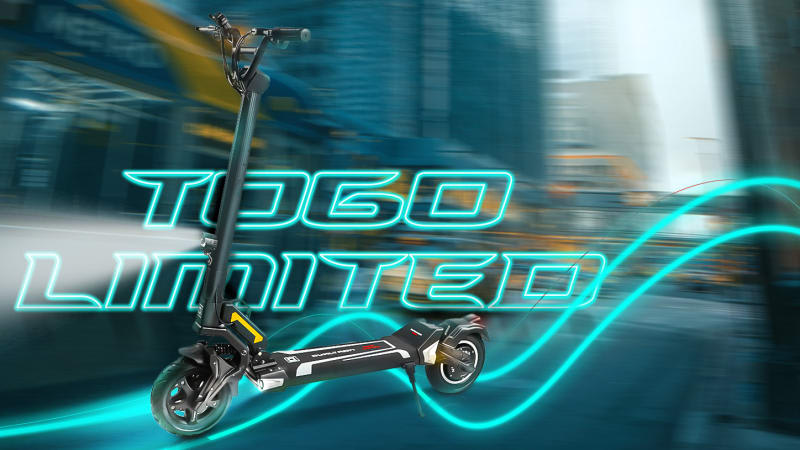
The Dualtrons you can actually afford
Most Dualtron coverage is about the monsters, the 100 km/h hyper scooters. The brand also sells a much cheaper range, and this is where most buyers actually end up: the Togo, the Mini and the Compact. They differ more than their prices suggest, and the same name often covers several battery versions. This comparison uses independent test numbers where we found them (Cleanrider for the Togo, EScooterNerds for the Mini and the Compact) and marks everything else as a seller or manufacturer claim. We have not ridden these scooters ourselves.
With cheap Dualtrons the battery version matters more than the model name.
At a glance
| Spec | Togo | Mini | Compact |
|---|---|---|---|
| Motor | Rear, 420 W rated, 600 W peak (tested version) | One rear hub, 1,450 W | Dual hub, 1,600 W rated, 3,400 W peak |
| Battery | 36 V 12 Ah (432 Wh) tested; 48 V versions also sold | 52 V, 17.5 Ah (about 910 Wh) | 59.2 V, 1,260 Wh |
| Weight | 23.2 kg measured | 21.7 kg | 32 kg |
| Claimed top speed | 34 km/h on the official site | 51.5 km/h | 64.4 km/h |
| Tested top speed | Limited to 25 km/h on the tested unit | 45 km/h | 62 to 64 km/h |
| Claimed range | Conflicting figures | 54.7 km | 80 km |
| Tested range | About 24 km (21 to 26 km) | 49 km, mostly at high speed | 70 km, third party 76 to 80 km |
| Price | €599 (36 V 12 Ah at Cleanrider) | $1,499 | $2,649 |
Togo: the cheap dual-suspension commuter
Cleanrider tested the 36 V, 12 Ah version, the one sold in France. It gave about 24 km on four full charges, which is roughly 18 Wh per km, and its measured weight was 23.2 kg, heavy for something this small. The tested unit was limited to 25 km/h and the app could not lift the limit, while the official site claims 34 km/h. The suspension damping, the readable display and the grip in wet weather are praised.
The weak points are real: weak emergency braking, an inconsistent battery gauge that swung by up to 20 percent, vibration on cobblestones, a loud motor, about 6.5 hours of charging and a charging port cover that broke after a few kilometres. Cleanrider still calls it probably the most affordable dual-suspension scooter on the market at €599.
Prices climb with the battery. Cleanrider lists €699 for 48 V and 12 Ah, €799 for 48 V and 15 Ah, and the Limited from €899. The French shop wee-bot shows the Togo from €489 and a Togo Max at €849 with a 60 V, 16 Ah (960 Wh) pack, 1,200 W and a claimed 52 km/h and 60 km. The shop's own product card and blog contradict each other on the basic Togo, with a rated power of 400 or 450 W and a top speed of 40 or 25 km/h, so check the exact listing.
Mini: lighter, quicker, but not quick
EScooterNerds scores the Mini 72 out of 100. It is the lightest of the three at 21.7 kg and runs a single 1,450 W rear hub motor. The tested top speed was 45 km/h against a claimed 51.5 km/h, and the tested range was 49 km, mostly at high speed, against a claimed 54.7 km. The scooter climbed a hill of about 25 degrees with minimal struggle.
Reviewers like the suspension and the brakes, and like that it needs little maintenance. They do not like the modest acceleration, the lack of an IP rating and the price: it is not the cheapest in its class. The spec table of that review shows 1,050 Wh, while its text cites a 17.5 Ah pack, which is about 910 Wh at 52 V. Dualtron's own product listing shows 52 V packs of 21, 17.5, 13 and 10 Ah, so the version you buy can differ a lot from the one that was tested.
Compact: the unusual one
The Compact is a different animal: dual hub motors with 3,400 W peak, a 59.2 V, 1,260 Wh pack, 8 in solid rubber tires and a 32 kg frame. EScooterNerds measured 64 km/h and 70 km of range, and a third party measured 62 km/h and 76 to 80 km, with a 7 m braking distance. The suspension and the braking system are the strong points, and it handled light rain without trouble in both tests.
The downsides are the 12 hour charging time, limited portability and some stem wobble. The review is also inconsistent on the battery, quoting 30 Ah in the summary, 21 Ah in the body and 1,260 Wh in the table, and on the claimed range, 50 miles in the table and 60 miles in the text. At $2,649 it costs about $1,150 more than the Mini.
What you pay per watt-hour
Using our own arithmetic on the prices above: the Togo at €599 and 432 Wh is about €1.39 per Wh, falling to about €1.11 for the 48 V, 15 Ah version at €799 (720 Wh). The Togo Max at €849 and 960 Wh comes to about €0.88. The Mini at $1,499 is about $1.65 per Wh on 910 Wh, or about $1.43 if the 1,050 Wh figure is right. The Compact at $2,649 is about $2.10. Euro and dollar prices are not directly comparable, but the pattern is clear: the bigger Togo versions are the cheapest way to buy capacity, and the Compact asks for a premium. Across the tests, real consumption sits near 18 Wh per km for the Togo and the Compact and near 19 for the Mini.
Who it suits
The Togo suits short daily commutes where comfort and a low price matter more than speed or range. The Mini suits riders who want a light scooter that handles hills and can live with 45 km/h. The Compact is for riders who want real speed and range from a small, solid-tire frame and can accept the weight and slow charging. If your priority is carrying the scooter up stairs, none of the three is light. Cleanrider names the Navee S40, the Niu KQi 300P and the Xiaomi 4 Pro Max as rivals to the Togo, so price those too.
Price check
Prices come from the sellers named and change often.
- Cleanrider (France): Togo €599 for 36 V 12 Ah, €699 for 48 V 12 Ah, €799 for 48 V 15 Ah, Limited from €899.
- wee-bot (France): Togo from €489, Togo Max €849.
- EScooterNerds: Mini $1,499, Compact $2,649.
PEV Deals tracks promo codes from sellers of electric scooters, but prices, stock and warranty are set by the seller you choose, so verify them on the seller's own page before you pay.
Sources: Cleanrider, EScooterNerds, wee-bot, Dualtron product information.