PEV for Delivery Couriers in North America: Real Cost per 100 Miles vs a Car
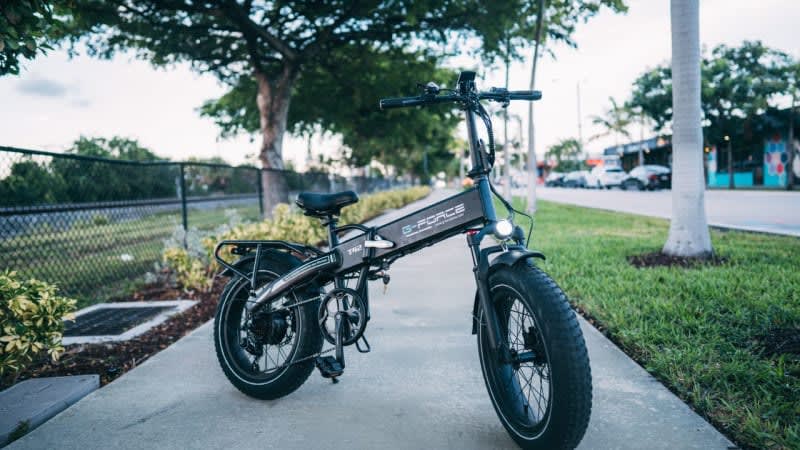
Food-delivery platforms in the US take couriers without a car, and an e-bike is the usual way in, above all in dense cities. With regular gasoline at $3.86 a gallon nationally in mid-July (it was $2.78 in mid-January) and $5.20 in California, a car is the expensive way to do the same work.
This guide compares only the energy bill per 100 miles for a gasoline car, an e-bike, an e-scooter and an e-moped, then shows how little night tariffs and solar panels change the picture and which rules decide what you can actually ride. Platforms do not publish courier pay in the sources we found and city rules differ, so we do not estimate income. Canada is covered by rules and one tariff example only, because we did not find a verified pump-price series for it.
Energy Cost per 100 Miles in the US
| Region | Gasoline ($/gal) | Home Power (¢/kWh) | Gas Car | E-Bike | E-Scooter | E-Moped |
|---|---|---|---|---|---|---|
| US Average | 3.855 | 17.6 | $14.17 | $0.26 | $0.49 | $1.84 |
| California | 5.200 | 30.9 | $19.12 | $0.46 | $0.87 | $3.25 |
| New York | 3.984 | 26.6 | $14.65 | $0.40 | $0.75 | $2.80 |
| Texas | 3.371 | 15.4 | $12.39 | $0.23 | $0.43 | $1.62 |
How the numbers were built, so you can replace any of them with your own:
- Gasoline price: EIA weekly retail price of regular gasoline, week of 13 July 2026.
- Power price: EIA Electric Power Monthly, table 5.6.A, residential average price, August 2025. Your own rate may differ a lot by utility and plan.
- Car: 27.2 mpg, the EPA's real-world average for model-year 2024 new vehicles, which is 3.68 gallons per 100 miles. Stop-and-go delivery driving is usually harder on fuel economy than that average.
- E-bike: 1.5 kWh/100 miles at the wall. The Ebike Monitoring Project averages 13.6 Wh/mile over 30 bikes, with individual bikes from about 8 to 33 Wh/mile, plus about 10 % charging loss.
- E-scooter: 2.8 kWh/100 miles. AkkuAlle averages 15.9 Wh/km (about 25.6 Wh/mile) over 31 models, calculated from battery capacity and rider-reported range, plus charging loss. These are not lab tests.
- E-moped: 10.5 kWh/100 miles. Cenex measured 6.0 kWh from the socket for about 92 km (57 miles) on one electric scooter. One model only, so treat it as a rough guide.
- Not included: tires, maintenance, insurance, depreciation, parking.
What 1,000 Miles a Month Costs
Assume about 45 miles on each of 22 working days, so roughly 1,000 miles a month.
- US average: car about $142, e-bike $3, e-scooter $5, e-moped $18.
- California: car about $191, e-bike $5, e-scooter $9, e-moped $32.
- New York: car about $146, e-bike $4, e-scooter $7, e-moped $28.
- Texas: car about $124, e-bike $2, e-scooter $4, e-moped $16.
In our table the e-moped is about 5–8 times cheaper than the car per mile in energy, and the e-bike about 37–54 times cheaper.
Night Tariffs and Solar: Nice, Not Decisive
Many US utilities offer time-of-use plans, but prices differ by utility and we did not verify specific US night rates, so the table uses average prices. Ontario is the one place where we could check a steep overnight tariff:
- Ontario ultra-low overnight plan: 3.9 ¢/kWh from 11 p.m. to 7 a.m., against 15.7 ¢ mid-peak and 39.1 ¢ on-peak (weekdays 4–9 p.m.). These are Canadian cents, supply prices only, for the period to 31 October 2026, taken from a third-party summary of the Ontario Energy Board plan, so confirm them with your utility.
On that plan an e-moped's 10.5 kWh for 100 miles costs about C$0.41 overnight against about C$1.65 at mid-peak and C$4.11 on-peak, before delivery charges. That is a real gap, but it only pays if you can charge overnight and avoid the evening peak. An e-bike that needs about 1.5 kWh saves cents.
Solar works the same way. A kWh from your own panels replaces the retail price you would pay, which is useful if you already have a system, but the saving is again counted in dollars per month for a single PEV. Export rules and credits differ by state, province and utility, so check yours before counting on it.
The real saving is avoiding the car: $12–19 of gasoline per 100 miles against $0.23–3.25 of electricity.
Rules That Decide What You Can Ride
- E-bike classes: the US three-class system describes Class 1 (pedal assist, motor stops at 20 mph), Class 2 (throttle allowed, 20 mph) and Class 3 (pedal assist, motor stops at 28 mph, speedometer required), all up to 750 W. Minimum age and helmet rules vary by state, and Class 4 bikes and mopeds need registration, a licence and insurance in most places.
- New York City: an e-bike and e-scooter speed limit of 15 mph took effect on 24 October 2025. App-based restaurant delivery workers there have a minimum pay rate of $22.13 an hour before tips, which rises each 1 April, according to the city's consumer and worker protection department.
- Platform rules: DoorDash sets no specific vehicle requirement beyond location: cars, and depending on the area motorcycles, scooters or bikes including e-bikes. Dashers are 18+ in most states, 19+ in some and 21+ for new applicants in California.
- Who pays for what: Dashers are independent contractors who carry their own insurance. DoorDash says it carries a commercial auto policy of up to $1,000,000 during active deliveries, subject to its terms. Repairs, theft and a replacement battery are your cost.
- Canada: the federal e-bike definition (500 W, 32 km/h) was repealed in 2021 and left to the provinces. Minimum ages range from 12 in Alberta to 16 in British Columbia, Ontario and Prince Edward Island, and a licence is generally not required, except for riders aged 14–17 in Quebec. Check your province before you buy.
- Range: 100 miles at the average e-bike rate of 13.6 Wh/mile needs about 1,360 Wh, and throttle-heavy riding can need more than double. Check the battery size, and plan a lunch-break charge or a spare pack.
Which PEV Fits Which Courier
- Start with an e-bike if you have no vehicle and want the lowest running cost and the fewest legal steps. This is the cheapest way into delivery work.
- Consider an e-moped if your zone is spread out or you ride long shifts, and you accept registration, insurance and a licence.
- Check e-scooters carefully: rules differ by state and city, and some platforms list only certain vehicles in each area.
Verdict
At mid-July gasoline prices a car costs about $12–19 per 100 miles in energy, while a PEV costs $0.23–3.25. Night tariffs and solar help only at the margin, with Ontario's overnight plan the clearest exception. For a courier without a vehicle, the decisive questions are legal class, local rules, platform acceptance, battery range and who carries the repair and theft risk.
Sources
- EIA: weekly retail gasoline prices, week of 13 July 2026, US, California, New York and Texas
- EIA: Electric Power Monthly, table 5.6.A, residential price by state, August 2025
- EPA: Automotive Trends Report, model-year 2024 real-world fuel economy
- Ebike Monitoring Project, results page
- AkkuAlle: E-Scooter efficiency and electricity consumption 2026
- Cenex: real-world scooter performance study
- Voltflow: time-of-use hydro rates in Ontario 2026 (Ontario Energy Board Regulated Price Plan)
- Rize Bikes: riding your electric bike in North America, laws and regulations
- NYC Department of Consumer and Worker Protection: delivery workers minimum pay
- DoorDash Help: requirements for dashing
- NYC Mayor's Office: citywide e-bike speed limit announcement